English

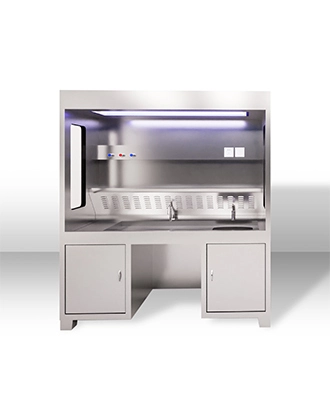
Pathology Grossing Stations are essential equipment in histopathology labs. They are designed for the examination and dissection of surgical specimens, ensuring accurate and efficient tissue preparation. Utilizing a high-quality histopathology grossing station allows for the systematic processing of samples while maintaining a sterile and organized environment. These pathology grossing tables often feature adjustable height settings, integrated ventilation, and ample workspace, providing a safe and ergonomic environment for pathologists. Each grossing table pathology unit is engineered to manage chemical fumes effectively, protecting laboratory personnel from hazardous exposure during daily operations.
Pathology grossing stations play a critical role in histopathology labs by providing a controlled and efficient environment for tissue examination and processing. Designed for seamless integration with grossing instruments for histopathology, they streamline specimen preparation and enhance diagnostic accuracy. This type of system is commonly referred to as a grossing station in histopathology, and understanding what is a grossing station is essential for modern laboratory workflow design. Here are four to five key roles of pathology grossing stations in histopathology labs:
1. Tissue Examination and Dissection: Pathology grossing stations provide a dedicated workspace for pathologists and histotechnologists to visually examine tissue specimens. They are a core part of the grossing room in histopathology, offering appropriate lighting, magnification, and ergonomic features to facilitate accurate assessment and dissection of tissues, ensuring representative sampling and precise identification of pathological features. The instruments used here are collectively known as grossing instruments in histopathology, which support precision cutting and handling during specimen evaluation.
2. Sample Preparation: Grossing stations are equipped with specialized tools and accessories, such as cutting surfaces, forceps, and dissecting instruments, to assist in the dissection and processing of tissue specimens. These are often referred to as histopathology grossing instruments, ensuring standardized and controlled preparation. They provide a structured environment often called a grossing room, ensuring proper orientation, trimming, and sampling for subsequent analysis. Within a modern histology grossing station, these procedures can be performed more consistently and efficiently.
3. Containment of Biohazards: Pathology grossing stations are designed with safety features to minimize the risk of exposure to biohazardous materials. They offer splash guards, ventilation systems, and containment areas to prevent the spread of infectious materials, protecting laboratory personnel and maintaining a safe working environment.
4. Workflow Efficiency: Properly designed grossing stations are configured to optimize workflow efficiency in histopathology labs. In some laboratories, a grossing machine setup is used to improve throughput and standardization. This streamlines the grossing process and improves integration with downstream equipment such as automated systems, including automatic tissue processor uses, which further enhance lab productivity. To achieve a seamless workflow from dissection to drying, integrate our stations into a complete histology lab setup with our automated tissue processors.
5. Compliance with Regulations and Best Practices: Pathology grossing stations are built to comply with regulatory standards and guidelines, such as those set by the Occupational Safety and Health Administration (OSHA) and the College of American Pathologists (CAP). They are designed to meet ergonomic requirements, improve safety, and ensure adherence to best practices in tissue handling and processing during gross examination.
Grossing station parts typically include stainless steel work surfaces, ventilation systems, lighting units, water supply modules, and waste disposal systems. These components work together to support safe and efficient operation within the grossing station environment.
In summary, pathology grossing stations are indispensable in histopathology labs. They provide the necessary infrastructure, tools, and safety features to perform accurate tissue examination, standardized sample preparation, and efficient workflow management. By supporting the precise and controlled processing of tissue specimens, these stations contribute to the accuracy, reliability, and safety of histopathological diagnostic assessments, making them a critical component of modern grossing station pathology workflows.
To meet the rigorous safety and functional requirements of modern pathology departments, the TST1200 series is engineered with premium materials and advanced air filtration technologies. Below is the detailed technical breakdown:
| Feature | Technical Specification & Standard |
| Material | High-grade 304/316 Stainless Steel (Acid & Alkali resistant; anti-corrosive for long-term durability) |
| Ventilation System | Dual-Extraction System: Back-draft and Down-draft configurations to ensure maximum Formalin removal. |
| Dimensions | Available in 1200mm / 1500mm / 1800mm width options to fit any lab space. |
| Water System | Integrated deep sink with hot/cold water mixer and high-pressure rinsing nozzle. |
| Lighting | LED Shadowless Lighting (adjustable) with integrated UV Sterilization for a sterile workspace. |
| Air Filtration | High-efficiency Activated Carbon Filters specifically designed for formaldehyde neutralization. |
| Standard Features | Formalin collection tank, stainless steel ruler, magnifying lamp, and dictation interface. |
1. Personal Protective Equipment (PPE): Always wear appropriate PPE, including gloves, lab coats, and protective eyewear, when working at a pathology grossing station. PPE helps prevent exposure to potentially hazardous substances and protects against contamination.
2. Ventilation: Ensure that the grossing station is adequately ventilated to remove potentially harmful fumes or odors. Proper ventilation helps maintain a safe and clean working environment.
3. Chemical Handling: Handle chemicals used in grossing stations with caution. Read and follow the safety data sheets (SDS) for each chemical, including fixatives and reagents, to understand their potential hazards, proper handling procedures, and potential interactions.
4. Sharp Instruments: Utilize proper techniques when working with sharp instruments, such as scalpels or blades, to minimize the risk of injury. Ensure proper disposal of used sharps in designated containers.
5. Containment and Splatter Prevention: Use a proper containment system, such as a containment hood or splash guards, to prevent splatter and aerosol generation during tissue processing. This helps minimize exposure to potential biohazards.
6. Regular Cleaning and Disinfection: Maintain a clean and sanitized work area. Regularly clean and disinfect the grossing station and surrounding surfaces to prevent cross-contamination and ensure a safe working environment.
7. Emergency Preparedness: Familiarize yourself with the location and proper use of emergency equipment, such as eyewash stations and fire extinguishers. Know the relevant emergency response protocols and procedures specific to your laboratory.
8. Training and Education: Ensure that you receive proper training and education on the operation and safety guidelines specific to the pathology grossing station. Stay updated on best practices and industry-standard safety protocols.
1. Regular Cleaning and Disinfection: Clean the grossing station regularly to prevent the accumulation of tissue debris, fluids, and contaminants. Use appropriate cleaning agents and disinfectants recommended by the manufacturer to maintain a sterile and hygienic working environment. Pay particular attention to areas that come into direct contact with specimens or body fluids.
2. Check Ventilation System: The ventilation system plays a vital role in removing hazardous fumes and maintaining a safe working environment. Regularly inspect and clean ventilation filters, fans, and ducts to ensure proper airflow. Consult the manufacturer's guidelines for specific maintenance instructions on the ventilation system.
3. Calibration and Inspection: Periodically check and calibrate components of the grossing station, such as the digital scales or electronic controls, to ensure accurate measurements and optimal performance. Inspect all parts, including cutting surfaces and movable components, for any signs of wear, damage, or malfunction. Follow the manufacturer's instructions for calibration and inspections.
4. Sharps Disposal: Properly dispose of sharps used in the grossing station. Use designated sharps containers and ensure they are securely closed and regularly emptied following biohazard waste management guidelines. Safely handle and dispose of sharps to prevent injuries and potential contamination.
5. Training and Maintenance Record Keeping: Train laboratory staff on proper usage and maintenance protocols for the pathology grossing station. Keep track of maintenance activities, inspections, and repairs in a maintenance log or record. This helps identify patterns, track equipment performance, and ensure that scheduled maintenance tasks are consistently implemented.
A pathology grossing station is a specialized laboratory workstation engineered for the macroscopic examination and dissection of surgical specimens. Its primary role is to provide a safe, ergonomic, and highly ventilated environment for pathologists to sample tissues. By utilizing advanced airflow technology, it ensures that hazardous chemical vapors—specifically Formalin (formaldehyde)—are effectively neutralized and removed from the technician's breathing zone, ensuring a safe laboratory environment.
A high-performance grossing station consists of several mission-critical components:
Ventilation System: High-suction back-draft or down-draft extraction.
Illumination: Integrated LED shadowless lighting and magnifying lamps.
Workspace: Medical-grade 304/316 stainless steel surfaces for easy decontamination.
Waste Management: Specialized sinks with formalin collection systems and waste disposal units.
Ergonomics: Adjustable height settings, foot-operated controls, and integrated dictation interfaces.
The ventilation system in a grossing workstation acts as a protective barrier between the user and volatile organic compounds (VOCs). It uses powerful extraction fans to pull air away from the pathologist, passing it through activated carbon filters specifically treated to neutralize formaldehyde fumes. This process is essential for preventing the inhalation of carcinogens and ensuring the laboratory remains in full compliance with OSHA and CAP safety standards.
Yes. Amos Scientific understands that every histology lab has unique spatial constraints. We offer various configurations, from compact 1.2m models ideal for small clinics to large 1.8m stations for high-volume hospitals. Beyond size, custom options such as integrated cameras for digital pathology, garbage disposals, and specialized shelving units can be added to streamline your specific workflow.
E-mail:
Tel:
Whatsapp:
Address:
24, 632-642 Clayton Road, Clayton South VIC 3169, Melbourne, Australia