 English
In today's fast-paced world, technology has revolutionized every aspect of our lives, including the medical and scientific fields. One such technological marvel in the realm of pathology is the semi-automatic rotary microtome. Designed to streamline the process of sectioning biological samples, this cutting-edge instrument has significantly improved the precision and efficiency of tissue preparation for microscopic examination. In this blog, we will delve into the intricacies of the technology behind the semi-automatic rotary microtome, highlighting its key features and benefits.
What is a Semi-Automatic Rotary Microtome?
A semi-automatic rotary microtome is a precision histology instrument that combines motorized specimen feeding with manual wheel rotation. This technology ensures uniform tissue sectioning (usually 0.5μm to 100μm) while reducing repetitive strain for technicians.
The semi-automatic rotary microtome is a sophisticated device used in histology laboratories to obtain thin and consistent sections of tissues for diagnostic or research purposes. Unlike traditional microtomes that required manual adjustments and repetitive actions, semi-automatic rotary microtomes offer enhanced functionality through motorized movements, ensuring precise and uniform sectioning. With the advancement of technology, this cutting-edge instrument has become an indispensable tool in the field of pathology, revolutionizing the way tissue samples are processed.
Precision and Consistency
One of the primary advantages of using a semi-automatic rotary microtome is the ability to achieve highly precise and consistent sections. The instrument's motorized advance and retract functions, coupled with its programmable cutting speed and thickness, enable pathologists and researchers to obtain sections of a desired thickness with minimal variation. This precise sectioning plays a crucial role in accurate diagnosis and subsequent treatment decisions.
Increased Efficiency and Productivity
The semi-automatic rotary microtome significantly reduces the time and effort involved in sectioning tissues compared to manual microtomes. With automated functioning, it eliminates the need for repetitive manual adjustments, allowing technicians to process more samples in a shorter span of time. This enhanced efficiency not only increases laboratory productivity but also enables quicker turnaround times for diagnosis and research studies.
Safety Features
The safety of laboratory personnel is paramount, and the semi-automatic rotary microtome takes this aspect into consideration. Equipped with safety features such as blade guards and sensor-controlled movements, it minimizes the risk of accidents or injuries during operation. These safety measures ensure that users can work with confidence, focusing on their tasks without compromising their well-being.
Versatility and Adaptability
Another noteworthy feature of the semi-automatic rotary microtome is its versatility. It offers various options for specimen orientation, adjustable cutting angles, and interchangeable knives, allowing users to cater to different tissue types and experimental requirements. This adaptability makes the instrument suitable for a wide range of applications, including clinical diagnostics, research, and teaching purposes.
The semi-automatic rotary microtome has transformed the field of pathology through its cutting-edge technology and remarkable features. Its precision, efficiency, safety, and adaptability have revolutionized tissue sectioning, accelerating the pace of diagnosis and research. As technology continues to advance, we can only expect further enhancements and refinements in the realm of semi-automatic rotary microtomes, pushing the boundaries of pathology and contributing to advancements in medicine and scientific understanding.
To better understand the precision engineering behind modern histology, here is a summary of the key technical parameters and benefits of the semi-automatic rotary microtome:
| Technical Aspect | Feature & Performance | Laboratory Benefit |
| Section Thickness Range | Adjustable from 0.5μm to 100μm with precision increments. | Supports versatile diagnostics for both routine and research-grade tissue sectioning. |
| Feeding Mechanism | Motorized feed powered by high-precision stepper motors. | Ensures ultra-smooth specimen advance, eliminating manual feeding inconsistencies. |
| Compatible Specimens | Optimized for paraffin-embedded tissues and hard biological samples. | Broad adaptability for clinical pathology, botanical research, and industrial testing. |
| Safety Systems | Integrated blade locking system and finger protection guard. | Minimizes the risk of occupational injuries, ensuring a safe laboratory environment. |
| Data Visualization | Intuitive digital control panel for real-time thickness monitoring. | Improves operational accuracy and allows for rapid adjustments during high-throughput workflows. |
A: The primary difference lies in the specimen feeding mechanism. While manual microtomes require the operator to control both feeding and rotation by hand, semi-automatic rotary microtomes feature a motorized specimen feed. This technology ensures higher precision in section thickness (down to sub-micron levels) and significantly reduces the physical workload and repetitive strain on laboratory technicians.
A: Semi-automatic microtomes are indispensable in histology and pathology laboratories. Their high-precision sectioning capabilities are essential for:
Clinical Diagnostics: Creating thin tissue sections for cancer biopsy analysis.
Research Studies: Investigating cellular structures in biological sciences.
Educational Purposes: Teaching advanced microtomy techniques in medical universities.
They are particularly valued where high-quality, consistent tissue ribbons are required for microscopic examination.
A: Modern semi-automatic models prioritize operator safety by integrating advanced electronic and mechanical safeguards. Key features include electronic braking systems that stop the handwheel instantly, emergency stop buttons, and sensor-controlled blade guards. These technological advancements significantly minimize the risk of accidental cuts and sharp-force injuries compared to traditional manual models.
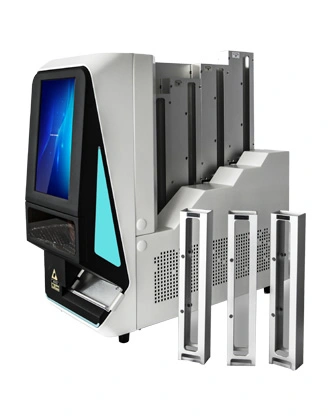 EM400 Embedding Cassette Printer
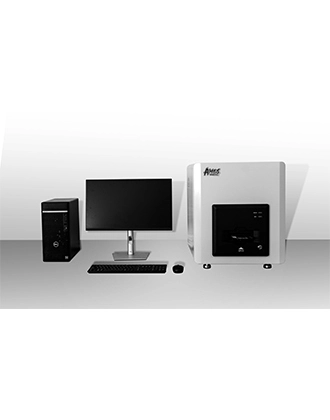 Apro5 Digital Slide Scanner
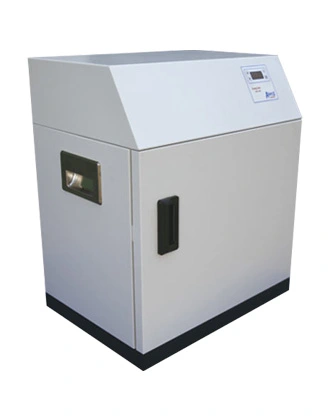 ADO260 Slide Drying Oven
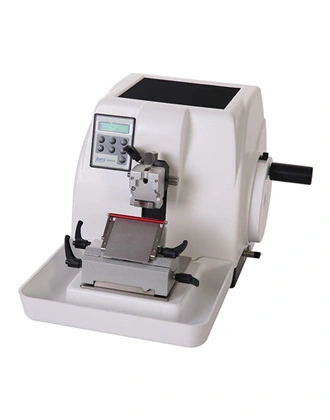 AEM450 Semi-automatic Rotary Microtome
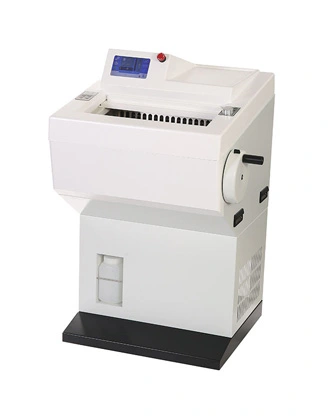 AST580 Fully-automatic Cryostat Microtome with Touch Screen
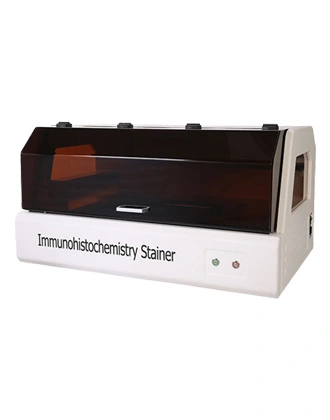 AIHS620 Immunohistochemistry Stainer
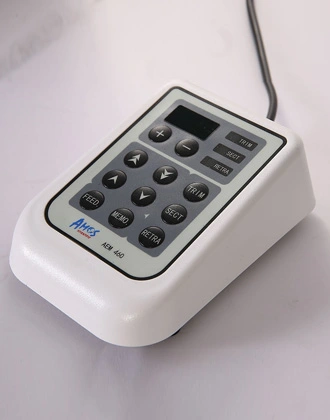 AEM460 Semi-automatic Rotary Microtome with Separate Control Panel
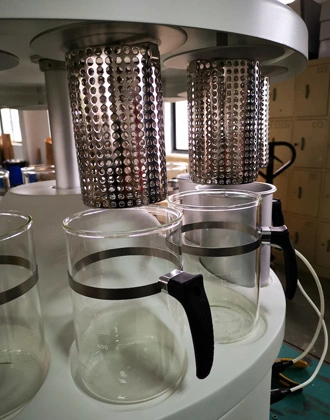 ATP200 Carousel Tissue Processor