English
In modern pathology laboratories, sample preparation quality directly affects diagnostic accuracy and workflow efficiency. One of the most important instruments in the histology process is the tissue processor, which prepares biological samples through a series of controlled steps before embedding and sectioning.
Choosing the right tissue processor manufacturer is an important decision for laboratories because equipment reliability, processing consistency, and workflow efficiency can directly influence daily operations.
A suitable automatic tissue processor helps laboratories improve productivity by reducing manual handling, maintaining consistent processing conditions, and supporting large numbers of samples. However, different laboratories may have different requirements depending on sample volume, workflow design, automation needs, and application environment.
For pathology laboratories, research institutions, and medical organizations, selecting the right tissue processing solution requires careful evaluation of equipment performance, automation functions, maintenance requirements, and long-term support.
Amos Scientific provides professional pathology equipment solutions designed to support efficient and reliable laboratory workflows.
Before tissue samples can be sectioned and examined under a microscope, they must go through several preparation stages. Tissue processing is a critical step because it determines the quality and consistency of the final histology sections.
A tissue processor typically performs processes such as dehydration, clearing, and paraffin infiltration. These steps remove water from tissue samples and prepare them for embedding.
Manual processing methods can create challenges, including inconsistent results, higher labor requirements, and increased risk of human error. This is why many modern laboratories choose automated solutions.
The main advantages of using an automated system include:
Consistent processing quality: Automated programs help maintain stable processing conditions for different sample types.
Improved laboratory efficiency: Automation reduces manual operation time and allows technicians to focus on other tasks.
Better workflow management: Programmable processing schedules support more organized laboratory operations.
For laboratories handling large sample volumes, an automatic system can significantly improve productivity and reduce operational pressure.
Selecting an automatic tissue processor requires understanding the laboratory’s workflow requirements and future development plans.
Important factors include:
| Selection Factor | Why It Matters |
|---|---|
| Processing capacity | Determines whether the equipment can handle daily sample volume |
| Automation functions | Improves consistency and reduces manual operation |
| Program flexibility | Supports different tissue processing requirements |
| Maintenance needs | Affects long-term operating efficiency |
Processing capacity is one of the first considerations. Small laboratories may require compact solutions, while larger pathology departments often need equipment capable of handling higher sample volumes.
Automation level is another important factor. Modern laboratories often prefer systems that provide programmable operation, allowing technicians to customize processing procedures according to different sample requirements.
Laboratories should also consider equipment maintenance and technical support. Reliable access to replacement components and professional assistance helps ensure stable long-term operation.
Choosing an experienced tissue processor manufacturer can help laboratories select equipment that matches their specific workflow requirements.
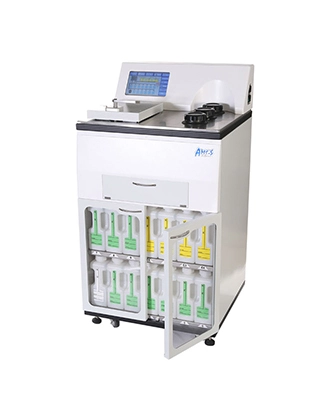
Understanding the main components of an automatic tissue processor helps laboratories evaluate equipment quality and maintenance requirements.
Key components usually include:
Processing chambers: Hold tissue samples and allow different processing stages to be completed.
Reagent containers: Store processing solutions required for dehydration, clearing, and infiltration.
Control systems: Manage processing programs, timing, and operational parameters.
Movement mechanisms: Transfer samples between different processing steps.
The quality and reliability of these automatic tissue processor parts influence equipment performance and service life.
For laboratories, selecting equipment with durable components and reliable design can reduce downtime and improve workflow stability.
Regular maintenance of key components is also important. Proper cleaning, inspection, and replacement of consumable parts help maintain consistent processing performance.
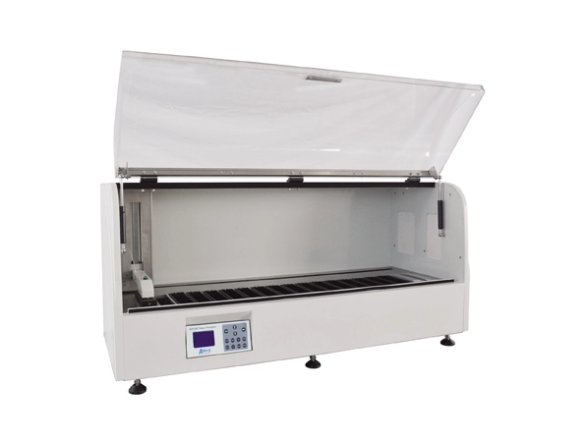
The automatic tissue processor uses extend across different medical and research environments where high-quality tissue preparation is required.
Common applications include:
Clinical pathology laboratories performing routine diagnostic testing.
Medical research institutions conducting tissue studies.
Universities and laboratories supporting biomedical research.
Different applications may require different processing capabilities. Diagnostic laboratories often prioritize efficiency and consistency, while research facilities may require greater flexibility for different sample types.
Understanding the intended application helps laboratories select equipment that provides the right balance between automation, performance, and operational requirements.
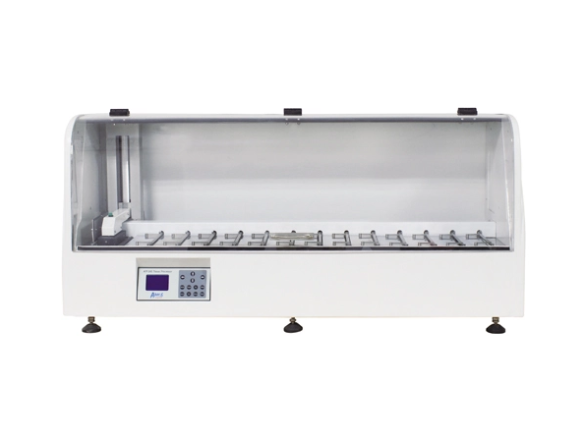
Choosing the right laboratory equipment requires more than evaluating technical specifications. Laboratories also need suppliers that understand workflow requirements and provide reliable solutions.
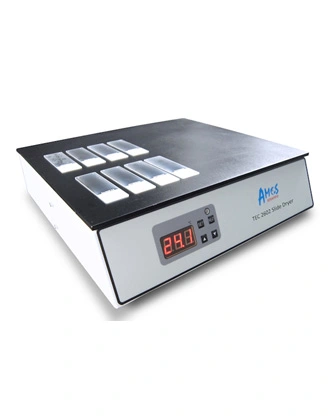
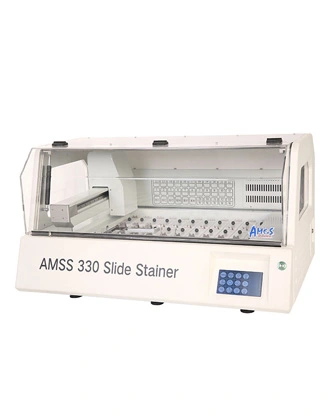
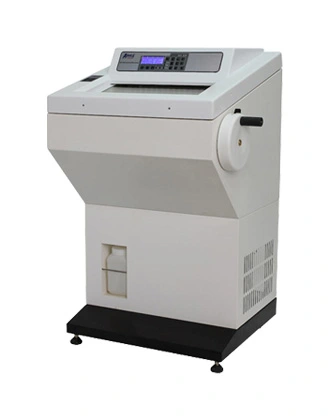
Amos Scientific focuses on providing professional pathology equipment solutions designed for modern laboratory environments. As one of the experienced pathology laboratory equipment manufacturers, Amos Scientific supports laboratories with reliable products and solutions for tissue preparation and pathology workflows.
The company provides solutions including tissue processing equipment and other pathology instruments designed to improve efficiency, consistency, and laboratory performance.
For laboratories selecting a tissue processor, working with an experienced supplier helps ensure the equipment meets workflow requirements and supports long-term operation.
Choosing the right tissue processor is essential for improving histology laboratory efficiency and maintaining consistent sample preparation quality.
A reliable automatic tissue processor can help laboratories reduce manual workload, improve processing consistency, and support higher productivity. When selecting equipment, laboratories should consider processing capacity, automation features, component reliability, and supplier experience.
By working with a professional tissue processor manufacturer, laboratories can choose solutions that better match their workflow requirements and future development needs.
A tissue processor prepares biological samples through dehydration, clearing, and infiltration steps before embedding and sectioning.
Automatic tissue processors improve consistency, reduce manual operation, and help laboratories manage higher sample volumes efficiently.
Important factors include processing capacity, automation level, program flexibility, maintenance requirements, and supplier support.
Common parts include processing chambers, reagent containers, control systems, and movement mechanisms.
They are commonly used in pathology laboratories, medical research institutions, and biomedical research facilities.
Laboratories should evaluate product quality, technical support, customization capability, and experience in providing pathology equipment solutions.