English
In histology and pathology laboratories, selecting the right microtome is essential for producing high-quality tissue sections. Different samples and research requirements may require different sectioning methods, which is why laboratories often compare cryostat vs microtome solutions before purchasing equipment.
A cryostat microtome and a rotary microtome both serve the purpose of preparing thin tissue sections for microscopic examination, but they are designed for different applications. A cryostat microtome is commonly used when frozen tissue sections are required, while a rotary microtome is widely used for routine paraffin-embedded tissue sectioning.
Choosing between these technologies depends on factors such as sample type, workflow requirements, section thickness, laboratory application, and desired efficiency.
For pathology laboratories, research institutions, and medical organizations, understanding the differences between these systems helps improve workflow efficiency and ensure better sample preparation results.
Amos Scientific provides professional pathology laboratory solutions and supports laboratories with reliable equipment designed for different histology applications.
Microtomes are precision instruments used to cut extremely thin sections of biological samples for microscopic analysis. The choice of microtome depends largely on how the tissue sample is prepared and what type of examination is required.
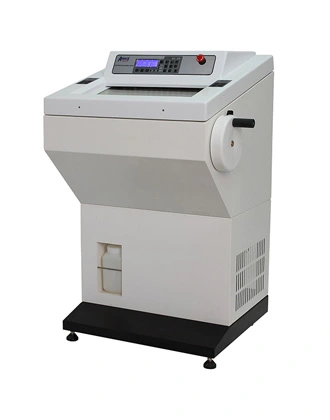
A cryostat microtome combines a microtome with a temperature-controlled freezing chamber. The tissue sample is frozen and sectioned at low temperatures, allowing laboratories to prepare fresh frozen sections quickly.
This method is commonly used when rapid examination of tissue samples is required, such as during certain surgical procedures or research applications.
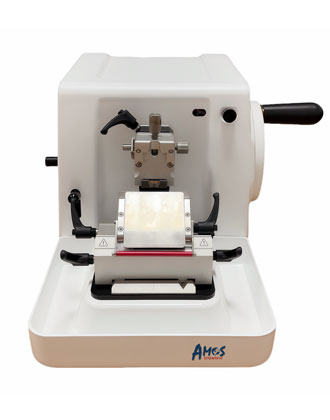
A rotary microtome is designed for routine histology workflows, especially when working with paraffin-embedded tissue samples. It uses a rotating mechanism to provide precise and consistent sectioning.
Both systems play important roles in pathology laboratories, but their applications and workflow advantages are different.
When comparing cryostat vs microtome solutions, laboratories should consider factors such as sample preparation method, working environment, and application requirements.
| Comparison Factor | Cryostat Microtome | Rotary Microtome |
|---|---|---|
| Sample preparation | Frozen tissue sections | Paraffin-embedded tissue sections |
| Working temperature | Low-temperature chamber required | Normal laboratory environment |
| Main applications | Frozen section analysis and research | Routine histology sectioning |
| Workflow advantage | Fast preparation for fresh samples | High consistency for routine testing |
A cryostat microtome is suitable for laboratories that need rapid tissue analysis. Because the tissue remains frozen, samples can be prepared quickly without the traditional paraffin preparation process.
A rotary microtome is often preferred for routine pathology workflows because it provides consistent section quality and supports high-volume laboratory operations.
The best choice depends on whether the laboratory prioritizes rapid frozen section preparation or standardized routine sectioning.
A cryostat microtome is commonly selected when laboratories need fast access to frozen tissue sections.
Typical applications include:
Rapid tissue examination during surgical procedures.
Research involving fresh or frozen biological samples.
Applications requiring preservation of certain tissue characteristics.
The main advantage of a cryostat system is speed. Since samples are frozen rather than processed through traditional preparation steps, laboratories can obtain sections more quickly.
However, operating a cryostat requires careful temperature control and proper handling procedures. Laboratories should consider their workflow requirements and whether frozen section preparation is a regular part of their testing process.
For facilities that frequently perform frozen section analysis, investing in a suitable cryostat solution can significantly improve efficiency.
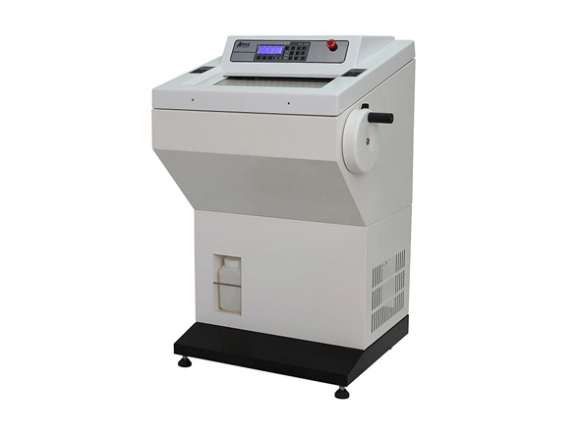
A rotary microtome is one of the most widely used sectioning instruments in routine histology laboratories.
It is suitable for applications where laboratories require:
Consistent section quality for routine diagnosis.
Reliable operation for high-volume sample processing.
Precise control of section thickness.
Many pathology laboratories prefer rotary microtomes because they provide stable performance for paraffin-embedded tissue samples.
For laboratories seeking improved efficiency, a fully automatic rotary microtome can further enhance workflow by reducing manual operation and improving sectioning consistency.
Automation features allow technicians to achieve more standardized results, especially in laboratories handling large numbers of samples.
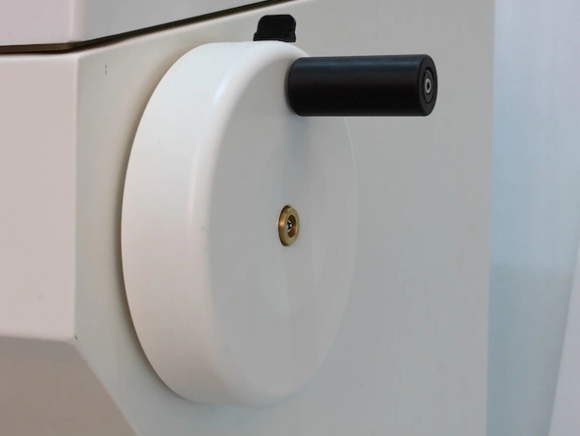
Selecting between a cryostat and rotary microtome requires evaluating the laboratory’s actual needs.
Important considerations include:
Sample preparation method and testing workflow.
Required sectioning speed and volume.
Operator experience and automation requirements.
Long-term maintenance and support.
Laboratories should not select equipment only based on technical specifications. The right solution should match daily workflow requirements and future development plans.
Working with experienced pathology lab equipment suppliers can help laboratories evaluate different options and select suitable instruments.
Selecting the right microtome requires understanding both laboratory applications and equipment performance. Amos Scientific provides professional pathology solutions designed to support efficient tissue preparation workflows.
As an experienced supplier of pathology lab equipment, Amos Scientific helps laboratories select suitable equipment based on application requirements, workflow design, and operational goals.
The company provides solutions including cryostat systems, rotary microtomes, and other pathology instruments designed to improve laboratory efficiency and sectioning accuracy.
For laboratories evaluating a cryostat microtome or rotary microtome, choosing the right equipment partner can help ensure reliable performance and long-term support.
Understanding the differences between a cryostat microtome and a rotary microtome helps laboratories make better equipment decisions.
A cryostat microtome is suitable for rapid frozen tissue preparation, while a rotary microtome is ideal for routine paraffin sectioning workflows. For laboratories requiring higher automation and efficiency, a fully automatic rotary microtome can provide additional workflow advantages.
By evaluating sample requirements, workflow needs, and future applications, laboratories can choose the right microtome solution to improve histology performance.
A cryostat microtome is designed for frozen tissue sectioning, while a rotary microtome is mainly used for paraffin-embedded tissue samples.
A cryostat microtome is suitable for applications requiring rapid frozen section preparation, such as surgical analysis and research.
Rotary microtomes provide consistent section quality and are suitable for routine high-volume histology workflows.
A fully automatic rotary microtome uses automation features to improve sectioning consistency and reduce manual operation.
Laboratories should consider sample type, workflow requirements, application needs, and expected processing volume.
Yes. Amos Scientific provides pathology equipment solutions designed for different histology and laboratory requirements.