 English
High-quality histology sections are essential for accurate microscopic examination and reliable laboratory results. The sectioning process requires precision, consistency, and suitable equipment to produce thin tissue slices with clear structures. A microtome is one of the most important instruments in this workflow because it allows laboratories to cut tissue samples into precise sections for further analysis.
For pathology laboratories and research institutions, achieving consistent section quality depends on several factors, including tissue preparation, blade selection, operator technique, and equipment performance. Choosing the right microtome can significantly improve workflow efficiency and reduce sectioning-related issues.
Modern laboratories increasingly use automated solutions such as an automatic rotary microtome or semi automatic rotary microtome to improve precision and maintain consistent results across different samples.
Amos Scientific provides professional pathology solutions designed to support laboratories with reliable sectioning equipment and efficient histology workflows.
The quality of tissue sections directly affects microscopic observation and diagnostic accuracy. Even small issues during sectioning can influence the visibility of tissue structures and create challenges during analysis.
A well-prepared section should have consistent thickness, smooth surface quality, and minimal damage to tissue structures.
Common sectioning challenges include:
Uneven section thickness: Variations can affect image clarity and microscopic evaluation.
Tissue damage or wrinkles: Poor sectioning conditions may create artifacts.
Inconsistent results: Manual operation differences can affect repeatability.
A reliable microtome helps laboratories achieve better control over section thickness and cutting movement. Combined with proper sample preparation and operator skills, it supports more consistent histology results.
For laboratories processing a large number of samples, improving sectioning consistency can also increase workflow efficiency and reduce repeated preparation work.
Producing high-quality tissue sections requires attention to multiple factors throughout the preparation process.
| Factor | Impact on Section Quality |
|---|---|
| Tissue preparation | Determines sample stability during cutting |
| Blade condition | Affects smoothness and cutting accuracy |
| Section thickness control | Influences microscopic observation quality |
| Equipment precision | Improves consistency between samples |
Tissue preparation is the foundation of successful sectioning. Proper embedding and sample handling help ensure the tissue remains stable during cutting.
Blade condition is also important because damaged or unsuitable blades may cause uneven sections, compression, or surface defects.
Equipment precision plays a critical role as well. A well-designed microtome provides stable movement and accurate control, helping technicians achieve consistent results.
By controlling these factors together, laboratories can improve section quality and maintain reliable workflows.
Selecting the right equipment depends on laboratory requirements, sample volume, and workflow expectations.
Important considerations include:
Manual or automated operation: Laboratories should choose equipment based on required efficiency and operator workload.
Sectioning consistency: High-volume laboratories may benefit from automated movement and precision control.
Application requirements: Different research and diagnostic applications may require different sectioning capabilities.
A traditional manual system may be suitable for laboratories with lower sample volumes or specific research requirements. However, laboratories processing many samples often prefer automated solutions.
An automatic rotary microtome can improve workflow efficiency by providing automated cutting functions and more consistent operation. This makes it suitable for laboratories that require higher productivity and repeatable section quality.
A semi automatic rotary microtome provides a balance between manual control and automation, allowing technicians to maintain flexibility while improving efficiency.
The best choice depends on the laboratory’s workflow, sample requirements, and long-term operational goals.
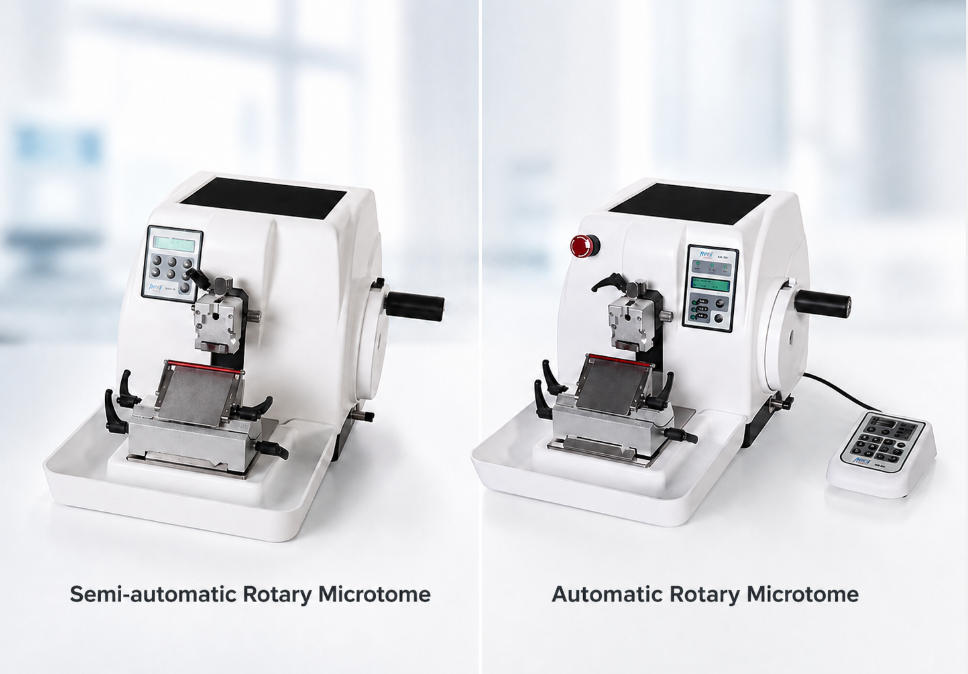
Rotary microtome technology is widely used in histology laboratories because it provides precise and stable cutting performance.
Modern rotary systems help improve efficiency through better mechanical control and improved user operation.
Key advantages include:
Consistent cutting movement: Supports repeatable section quality.
Improved workflow efficiency: Reduces unnecessary manual adjustments.
Better operator control: Helps technicians achieve accurate sectioning results.
For laboratories handling routine diagnostic samples, rotary microtome systems provide reliable performance for daily workflows.
Automation further improves efficiency by reducing variation between operators. This is particularly valuable for laboratories that require consistent results across large numbers of samples.
Selecting the right sectioning equipment requires understanding both laboratory workflow and technical requirements. Amos Scientific provides professional pathology solutions designed to support efficient and reliable histology processes.
As an experienced provider of pathology equipment, Amos Scientific helps laboratories choose suitable instruments based on application requirements, workflow needs, and operational goals.
The company provides solutions including microtomes and automated sectioning systems designed to improve precision, efficiency, and laboratory performance.
For laboratories evaluating a microtome, working with an experienced supplier helps ensure the selected equipment matches current requirements while supporting future development.
Achieving high-quality histology sections requires the right combination of sample preparation, operator skills, and reliable equipment. A suitable microtome helps laboratories improve section consistency, reduce preparation issues, and support accurate microscopic analysis.
For laboratories with higher workflow requirements, solutions such as an automatic rotary microtome or semi automatic rotary microtome can provide improved efficiency and repeatability.
By selecting the right sectioning equipment and workflow approach, pathology laboratories can achieve better-quality results and more reliable operations.
A microtome is used to cut thin tissue sections for microscopic examination in histology and pathology laboratories.
Consistent section thickness helps improve image clarity and ensures accurate microscopic evaluation.
An automatic rotary microtome provides a higher level of automation, while a semi automatic rotary microtome combines automated functions with more manual control.
Laboratories can improve results by optimizing tissue preparation, maintaining blades, controlling section thickness, and using reliable equipment.
Important factors include sample volume, application requirements, automation level, precision, and maintenance needs.
Yes. Amos Scientific provides pathology equipment solutions designed for different laboratory workflows and application requirements.
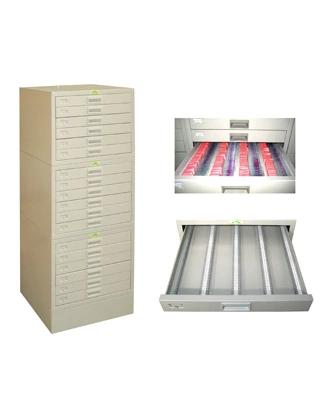 B102 Dry Slide Cabinet
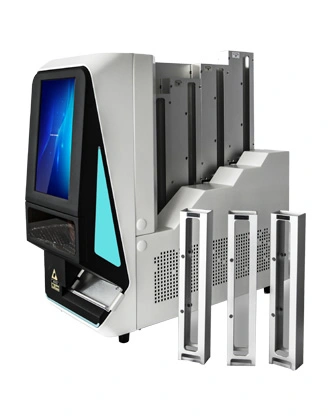 EM400 Embedding Cassette Printer
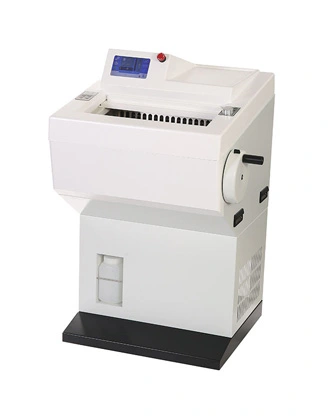 AST580 Fully-automatic Cryostat Microtome with Touch Screen
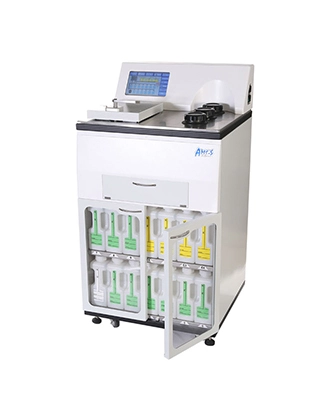 AVTP2500 Vacuum Tissue Processor
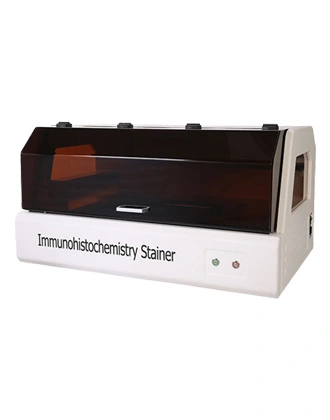 AIHS620 Immunohistochemistry Stainer
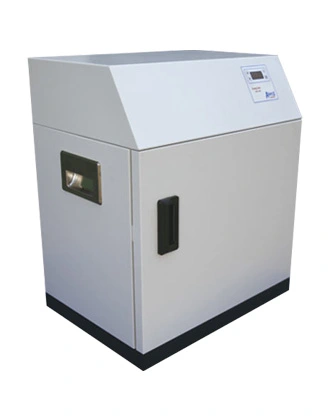 ADO260 Slide Drying Oven
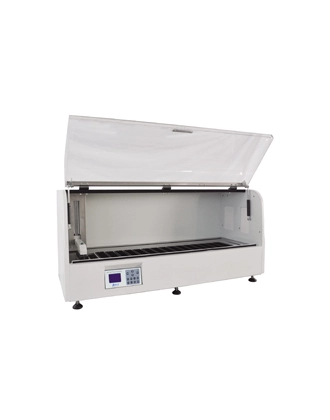 ATP140 Tissue Processor
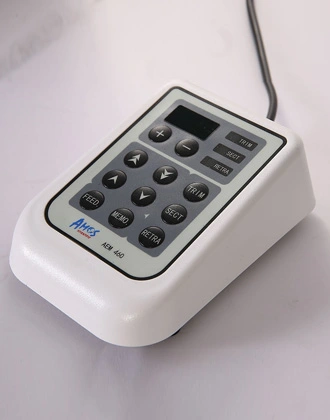 AEM460 Semi-automatic Rotary Microtome with Separate Control Panel