English
In histology laboratories, efficient sample preparation is essential for producing high-quality tissue sections and reliable microscopic analysis. After tissue processing, samples need to be properly embedded before sectioning. This step determines how effectively tissues can be cut and examined during later diagnostic or research procedures.
A tissue embedder is an important instrument used during this stage because it helps laboratories position tissue samples accurately and embed them in paraffin with consistent quality. For modern pathology laboratories, improving embedding efficiency can reduce preparation errors, optimize workflow, and support more reliable results.
Choosing the right equipment requires understanding laboratory requirements, sample volume, workflow design, and automation needs. An effective embedding system can help technicians achieve better consistency while reducing manual operation time.
Amos Scientific provides professional pathology solutions designed to support efficient laboratory workflows, including tissue preparation and embedding equipment for different application requirements.
Tissue embedding is a critical step between tissue processing and sectioning. During this process, prepared tissue samples are placed into a supporting medium, usually paraffin, which provides stability for cutting thin sections.
The quality of embedding directly affects the final sectioning process. Poor positioning or uneven embedding may lead to difficulties during cutting, affecting section quality and laboratory efficiency.
The main goals of tissue embedding include:
Supporting tissue structure: Proper embedding helps maintain sample stability during sectioning.
Improving section quality: Accurate positioning allows technicians to obtain clearer and more consistent sections.
Increasing workflow efficiency: Standardized embedding procedures reduce repeated adjustments and preparation errors.
For laboratories handling many samples every day, a reliable embedding workflow helps maintain consistent results and improves overall productivity.
A complete embedding workflow usually includes several important steps, from preparing processed tissue samples to creating paraffin blocks ready for sectioning.
| Workflow Stage | Purpose |
|---|---|
| Tissue preparation | Ensures samples are ready after processing |
| Paraffin filling | Provides support material around tissue samples |
| Tissue positioning | Places samples correctly for sectioning |
| Cooling and solidification | Creates stable paraffin blocks |
A modern embedding system helps combine these steps into a more organized workflow. By providing controlled heating, accurate positioning, and efficient cooling, the system helps technicians produce consistent paraffin blocks.
Compared with manual embedding methods, automated or integrated solutions can reduce operation differences between technicians and improve repeatability.
For laboratories that require high sample throughput, optimizing the embedding workflow can significantly improve daily efficiency.
Selecting a suitable tissue embedder requires considering the laboratory’s workflow requirements and future development needs.
Important factors include:
Sample processing volume: Laboratories should choose equipment that matches daily workload requirements.
Temperature control performance: Stable temperature management helps maintain paraffin quality.
Operation convenience: User-friendly design can improve technician efficiency.
Workflow compatibility: Equipment should integrate smoothly with existing laboratory procedures.
Small laboratories may prioritize compact equipment and simple operation, while larger pathology departments may require higher efficiency and more advanced workflow support.
In addition, laboratories should consider maintenance requirements and supplier support. Reliable equipment performance and timely technical assistance help reduce interruptions in daily operations.
Choosing an experienced supplier allows laboratories to select an embedding solution that matches their specific application requirements.
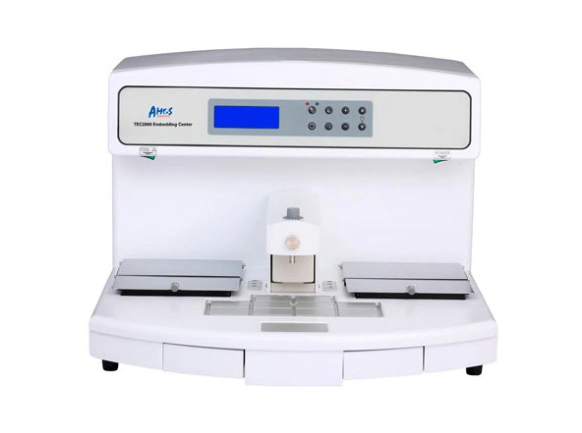
An optimized embedding process provides several advantages for pathology laboratories and research facilities.
Key benefits include:
More consistent sample preparation: Standardized procedures help reduce variations between samples.
Improved sectioning performance: Properly embedded blocks are easier to cut and prepare.
Better laboratory productivity: Efficient workflows allow technicians to process more samples.
For diagnostic laboratories, consistent sample preparation supports accurate microscopic evaluation. For research institutions, reliable embedding quality helps improve experimental repeatability.
As laboratories continue to increase sample volumes and workflow complexity, efficient embedding solutions become increasingly important.
Selecting the right embedding equipment requires both technical understanding and knowledge of laboratory workflows. Amos Scientific provides professional pathology solutions designed to support modern histology laboratories.
As one of the experienced pathology lab equipment manufacturers, Amos Scientific supports laboratories with reliable equipment and solutions for tissue preparation, embedding, and other pathology processes.
The company provides solutions including an embedding system designed to improve workflow efficiency, sample preparation consistency, and laboratory performance.
For laboratories selecting a tissue embedding solution, working with an experienced supplier helps ensure the equipment meets operational requirements and supports long-term laboratory development.
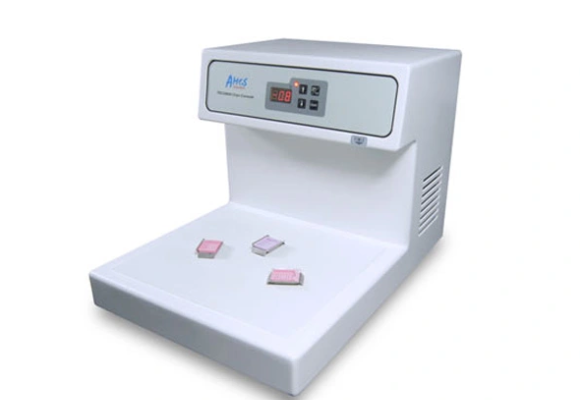
A reliable tissue embedding workflow plays an important role in improving histology laboratory efficiency and sample preparation quality. A suitable tissue embedder helps laboratories create consistent paraffin blocks, reduce preparation issues, and improve sectioning results.
By selecting the right embedding system and optimizing workflow procedures, pathology laboratories can achieve better productivity and more reliable results.
Amos Scientific provides professional pathology solutions that help laboratories improve efficiency and support high-quality histology processes.
A tissue embedder is used to place processed tissue samples into paraffin blocks before sectioning in histology workflows.
Proper embedding provides support for tissue samples and helps laboratories produce high-quality sections for microscopic analysis.
Important factors include sample volume, temperature control, workflow compatibility, operation convenience, and supplier support.
An embedding system helps standardize the embedding process, reduce manual errors, and improve consistency between samples.
They are commonly used in pathology laboratories, medical research institutions, and biomedical research facilities.
Yes. Amos Scientific provides pathology equipment solutions based on laboratory workflow requirements and application needs.
This is the first one.